October 21, 2026

Chris Woodley-Stewart
Wind farm plan ‘can never be acceptable’
A planned wind farm on Barningham Moor is akin to building a housing estate in Buckingham Palace gardens.
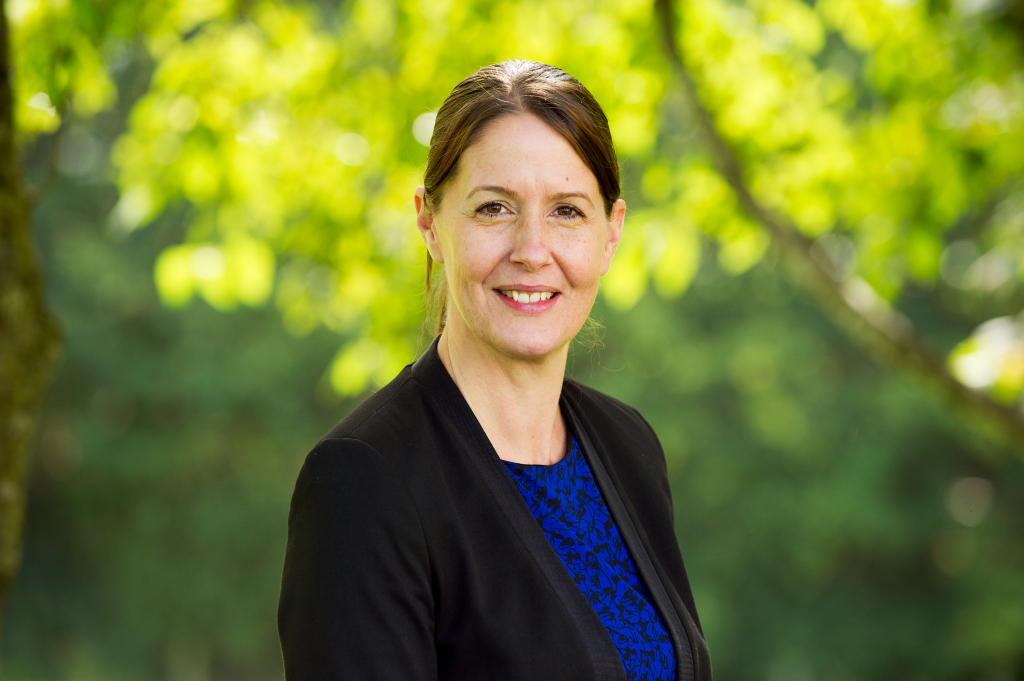
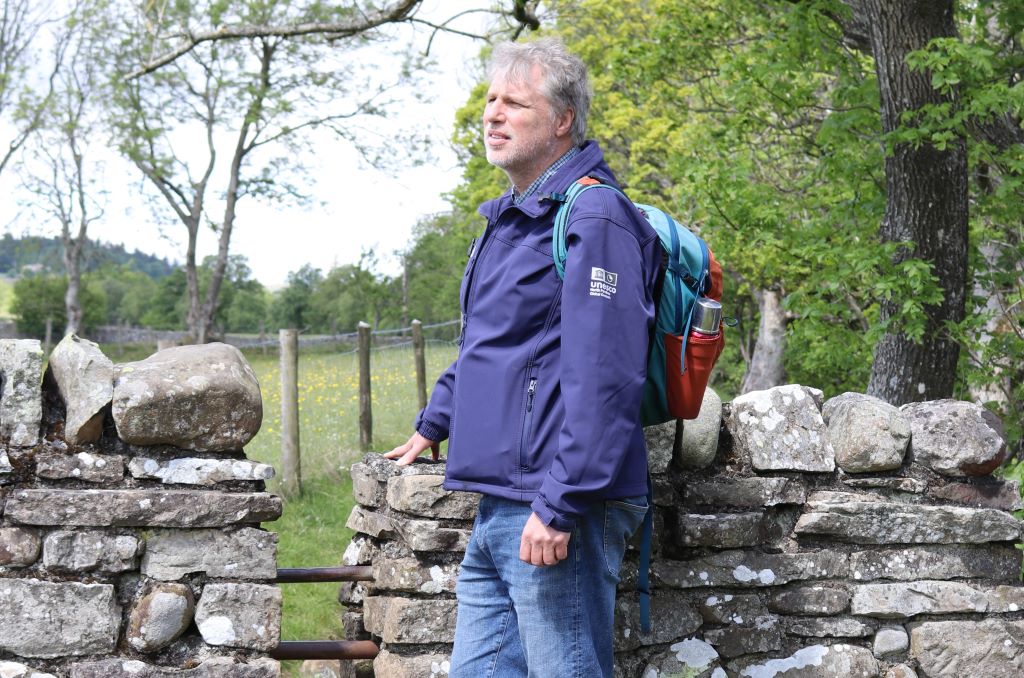
That’s the view of Chris Woodley-Stewart, director of the North Pennines National Landscape team.
In an interview with the Mercury, he explained why he feels there is no way plans for Hope Moor Wind Farm can be made acceptable.
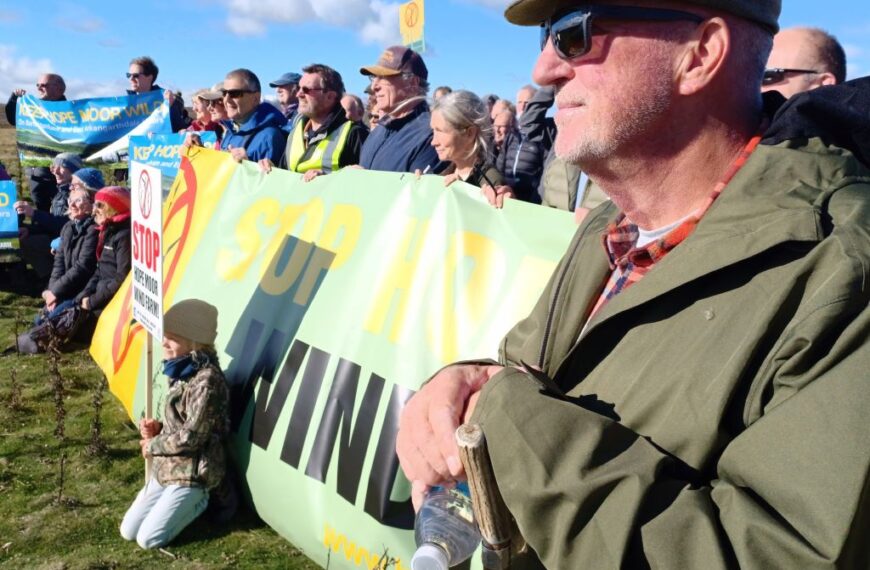
He highlighted the level of public opposition to the proposals – the most significant he’s seen in his 36-year career.
“Hope Moor is a serious application from a serious company,” Chris said. “These are professional people that you can have proper engagement with.
“But from our perspective a development of this scale, in this location overlooking the Yorkshire Dales and overlooking the North Pennines, is never going to be acceptable in landscape terms.
“It would deliver one environmental benefit – wind power – at the expense of another and that’s not something we can do.”
Which leads to the Buckingham Palace analogy. London’s obvious social housing crisis demands action, but putting up houses in the Royal Parks or the palace gardens would never be an appropriate solution.
“If you did that, you’d deliver something good, you’d generate an enormous amount of social housing which is an urgent need,” he said. “But, just as most people would argue Buckingham Palace and the royal parks are national treasures, so is this national landscape.
“This is not NIMBYism; this is protecting a landscape that we have chosen to protect for the nation.
“Hope Farm would have a national-scale impact on nature and beauty. We know climate change will also have such an impact, but we can’t try to fix the problem in the wrong places.”
Much of the debate has centred on visual intrusion across pristine landscapes reaching deep into the North Pennines and the Yorkshire Dales National Park. Another big issue is biodiversity.
After 20 years of pioneering work to restore peatland in the North Pennines, the National Landscape team is also particularly concerned with the prospect of irreversible damage to our best natural defence against climate change.
“The developer is sincere about wanting to mitigate the impacts of the development,” Chris added. “But it’s pretty difficult to mitigate the impact of ripping up a 2,700-hectare site. If you damage that much peatland it would take potentially ten years to offset your carbon debt.
“There is more carbon stored in the peat of the UK than there is in all the forests of the UK, France and Germany put together. It is our best natural defence against climate change. Why would we rip that up and replace it with technology that you could put elsewhere without that damage?”
The North Pennines team is working with colleagues from the national park and landscape planners from Durham and North Yorkshire County Councils to raise these issues with developer Fred Olsen Renewables.
That collaboration helps all parties, reinforcing any challenges to the plans and process and giving the developer easy access to input and joined-up advice about local environmental and heritage impacts.
It’s not a campaigning role, but Chris is very aware of the strength of feeling around Hope Moor.
“There is really significant public opposition,” he said. “I’ve worked in conservation for 36 years and I’ve never seen a development with so much public opposition.”
But is anybody listening?
Chris and other colleagues in the sector are in regular contact with Fred Olsen.
“They’re not cowboys, they are a good, professional company we can work with, but we have a fundamentally different view as to whether this is an appropriate development in this location,” Chris said.
“We’re very clear that we can’t see circumstances in which this would ever be an acceptable development in this location.
“You can’t ‘mitigate’ the impact of 23 200m wind turbines across a landscape of that size in such a prominent location. It’s shuffling the deckchairs on the Titanic.
“The developer knows that fundamentally we don’t think this is the right location but equally they know we’ll provide comment and input to their proposals for remediation work in the surrounding area.”
Tags |