October 19, 2026

Concerns over solar farm plans
Concerns about noise, fires and hazardous material spills were among the issues raised during a public meeting about a potential solar farm in the Gaunless Valley.
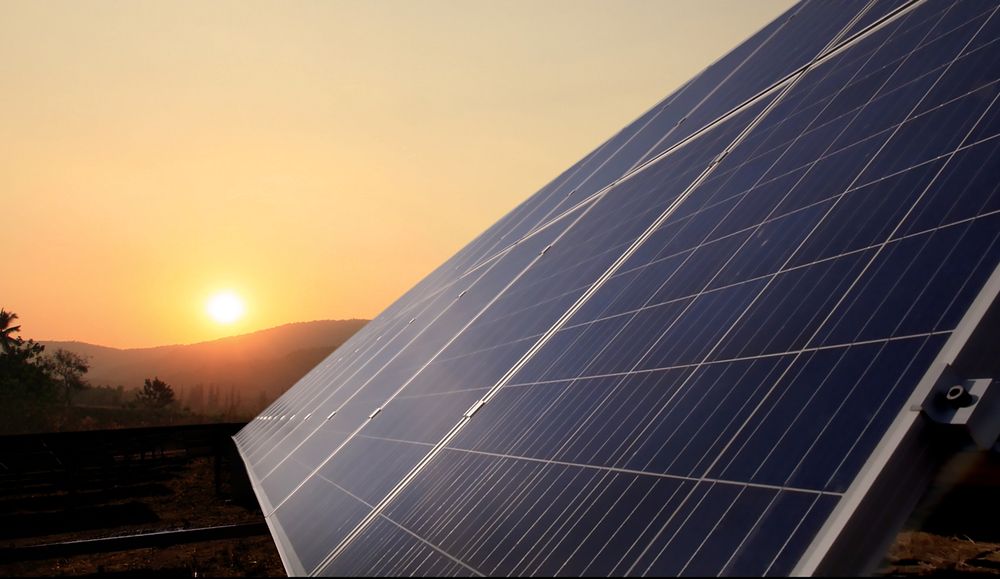
Renewable energy company Qair is proposing to build a solar panel and battery storage facility at Bucks Head Farm, between Cockfield and Evenwood, which would generate about 41.5MW of power and store up to 21MW.
The company’s project developer Tom Milburn spoke to residents during a public meeting late last month, explaining the site was chosen because of its road access, proximity to a grid connection and an opportunity to increase the area’s biodiversity.
However, people expressed worry about noise by the facility. A woman whose property is adjacent to the site said: “I am only 30 metres away from the fence line and my stables and hay shed are only a metre away.
“I am worried about noise as well because if it is going on all the time I am going to be forced stay in the house more than I really want to be. Going into the garden isn’t going to be a pleasure at all.
“This so near to me it could make my life an absolute misery if the worse comes to worst and I hope it doesn’t come at all.”
She also expressed concern about the potential for electrical fires which could spread to her stables and shed.
This was echoed by a farmer whose fields adjoin the battery storage facility. He said it put at risk crops, such as barley.
The farmer added: “Obviously I have stock in the field. They will be distressed to a certain degree if there is a constant hum. Animals have different sensitivities to us.”
Mr Milburn explained that the solar panels do not generate noise, and any sound created is limited to the inverters, transformer stations and the cooling system within the battery units.
He added that noise generating elements could be clustered in certain areas of the site so they do not affect neighbours.
He added that a noise assessment would be carried out using receptors, and if necessary, measures such as acoustic encasement around the inverters or an acoustic fence around the battery units would be introduced.
The project developer said it was rare for electrical fires to occur at solar farms, and measures were in place within the battery storage unit, such as a sprinkler system, to extinguish any fire that might occur.
This sparked concern about chemicals leaking from the battery units, or for the water from the sprinkler system becoming contaminated and entering the ground.
Mr Milburn said pans are placed below the batteries to collect any spillage.
He added: “The batteries are monitored remotely. If there is any issue with the batteries they will be shut down immediately. The batteries are fitted with suppression systems, so if a fire were to occur the suppression systems would kick in.”
Concerns were also raised about the potential loss of agricultural land causing damage to the country’s food security as well as a loss to the farming economy.
The project developer said most of the land was of low agricultural value and a limited number of sheep would graze within the site.
He said efforts would be made to improve the biodiversity of the area by spreading wildflower seeds, which would attract more insects, birds and other wildlife.
Addressing concerns about glare from the solar panels affecting passing traffic, Mr Milburn said: “The solar panels come with anti-glare coating which means that they are less reflective generally than a window or a wet road.
“We do carry out a glint and glare assessment and that takes into account potential impacts from the glare on nearby airfields and residential settings and nearby roads.
“If glare exceeds acceptable levels, we would look to improve screening.”
Mr Milburn told residents the company hoped to submit its planning application before the end of June.
Mr Milburn said the company had an 80 per cent success rate with planning applications elsewhere in the country.
He added: “You wouldn’t invest a lot of money to get a planning application in without a reasonable chance of success.”