October 21, 2026

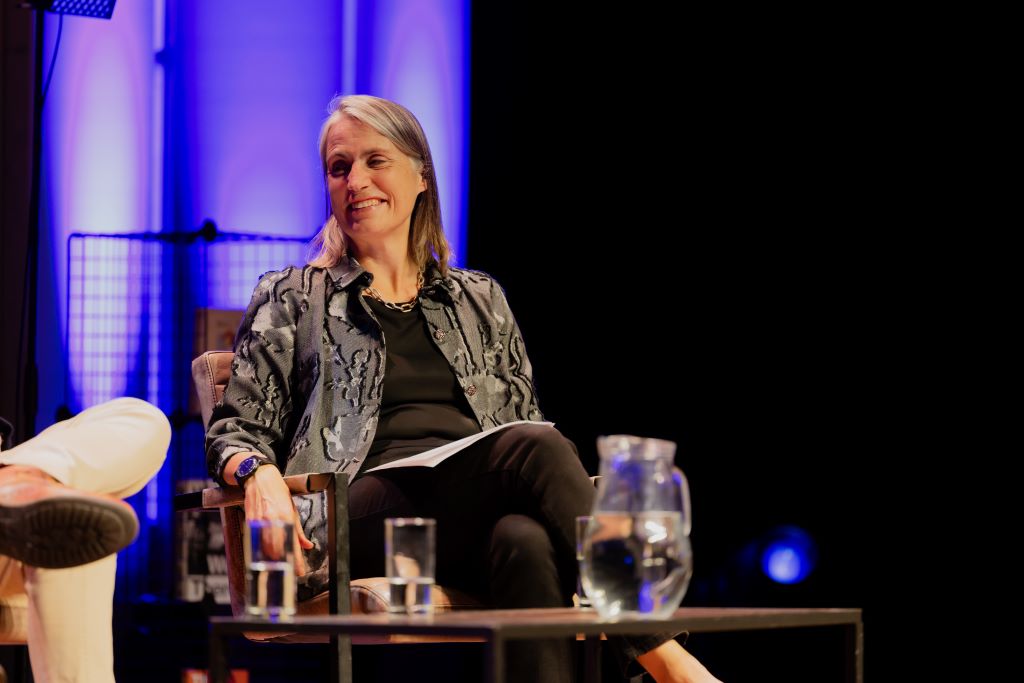
From Barnard Castle to the White House
Her life story has been billed as ‘from the coal-house to the White House’, but Fiona Hill remains close to her County Durham roots.
She told Andy Potts about work experience at the Mercury, and why she sees strength in the Teesdale community.
From sitting next to Vladimir Putin at conferences in Russia to meetings with Donald Trump in the Oval Office, Fiona Hill has forged an extraordinary international career.
But before walking the corridors of power, the future US National Security Council advisor had an early brush with current affairs – albeit on a more modest scale – reporting on agricultural shows on a work experience placement here at the Teesdale Mercury.
It all came about while she was a pupil at Bishop Barrington School in Bishop Auckland.
“I had this fantasy of being a journalist, or maybe even a photojournalist, even though I couldn’t afford the equipment,” she recalled.
“But you could rent cameras from Durham County Council, or you could go through to The Side gallery in Newcastle and rent a camera for the day.
“I remember at the Mercury they helped me.
“I had this grainy picture that I took in the alleyway next to the office and they showed me how to process the film and develop the picture.”
Other duties on the paper included reporting on agricultural shows, with fond memories of a story headlined ‘Bob Grows a Whopper!’.
More recently, she’s been back in Barney for the unveiling of a commemorative window in St. Mary’s Church on behalf of the Richard III Society.
And those contrasting but highly active self-starting local organisations – from history enthusiasts to agricultural societies – are part of what Fiona sees as a crucial part of preserving and strengthening communities.
“I find that really interesting,” she said.
“The efforts are directed in different ways, but it shows how communities can organise around all kinds of things.
“People are still very motivated to make things happen.”
The Richard III Society, niche as it might appear from the outside, took Fiona by surprise with its energy and activity.
Admitting that her own connections to Richard III were “tenuous” she added that helping to commemorate the windows was “mind-blowing”.
“I was very intrigued by how engaged people were in this idea and that they were inspired by it,” Fiona added.
“There’s something important there, a social fabric, a community.
“The fact that people are still joining societies and getting excited about things – in this case a man who, really, is more of an idea, a king of the north – means there is still something that can be built on.
“And that’s how we still get people to engage in their communities, to rally round and save a beloved building or park.”
The on-going campaign against the proposed Hope Moor Wind Farm is an example of that rallying round – but there is a challenge to maintain momentum when a hot topic is resolved.
“There’s a kind of irony that a proposed wind farm is generating that energy around Teesdale,” Fiona said.
“But it’s a question of how to keep that energy going within a community.
“If you look at places that are most successful at dealing with all kinds of issues at a community level, places like the Scandinavian countries, they all have communities that maintain a sense of energy and constant effort.
“They’ve got people feeling that they are citizens, not just objects that other people do things to.
“It shows in Scandinavia, because they take it down to a local level, people constantly feel part of something because they are engaging in regular meetings, regular discussions, small societies even around things like allotments.”
“It might start with not wanting a big, massive windfarm on our hillside, but can you keep that [engagement]?
“Let’s figure out how to invest that in our community and make this a place that is meaningful for everyone.”
That sense of meaning can go far beyond the obvious.
A miner’s daughter, Fiona is well aware of the depth of community in the Durham coalfield.
And while this could manifest in political activism, miners’ organisations also came together to generate a far wider range of opportunities.
The current Norman Cornish exhibition at The Bowes Museum is one powerful example; Cornish, who worked at the Dean & Chapter colliery in Ferryhill, developed his artistic talents through classes at the Spennymoor Settlement, a cultural institution set up by the local miners’ welfare society.
“The whole idea was for betterment,” Fiona said.
“There were aspirations for education or for activities in which they might excel.
“That might be football but also drawing or writing.
“Miners’ writing societies that Sid Chaplin came out of, or the Spennymoor Settlement with Norman Cornish and Tom McGuinness.
“They did extraordinary things.
“It wasn’t just about collective bargaining and all the things people might think a union might do.
“And even if people don’t have much money, those welfare societies were built on pennies.
“When we see things like that, we know we can do it again – but for things that matter today, not what mattered in the 19th century.
“The more we can get that across in Teesdale, or the rest of the North-east, that people can feel they are part of something, the more they feel they can give time or effort to.”
Education is another passion.
Fiona was part of a generation that benefitted from free study at university, coupled with government grants to support living expenses.
It’s a far cry from the current system, which threatens to plunge young people into debt if they choose to continue their studies.
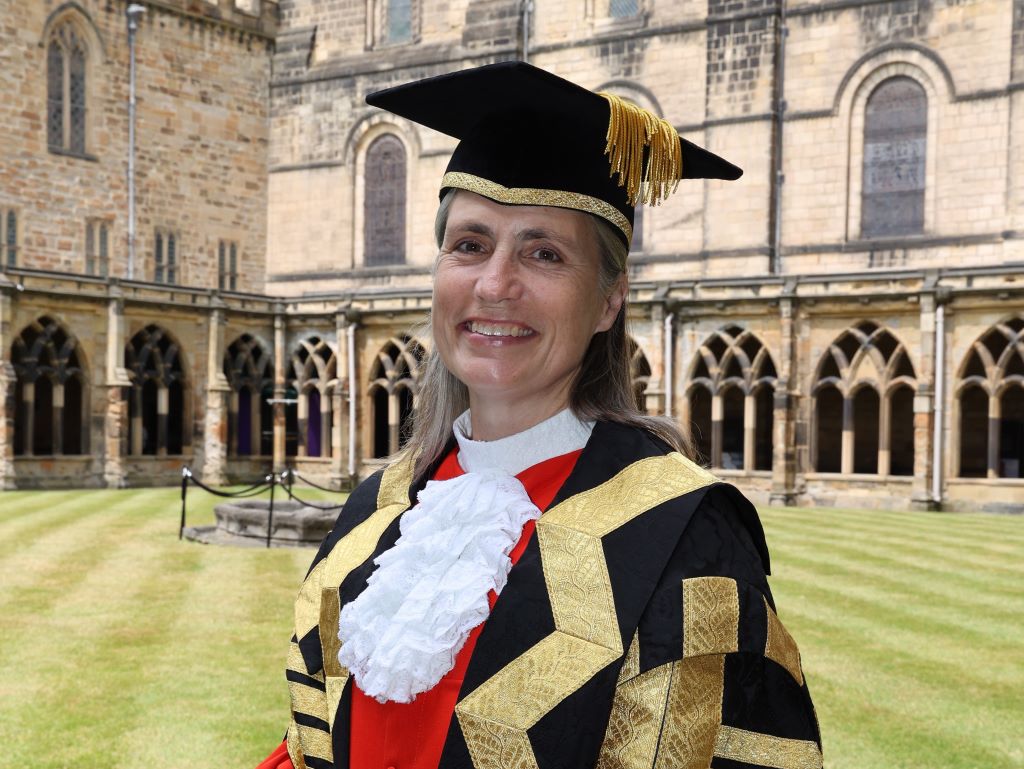
Since 2023, she’s been chancellor of Durham University – and is keen to use that position to help shake off higher education’s sometimes elitist reputation.
Tags |