November 5, 2026

Plans to create protected wildlife habitat in Westwick
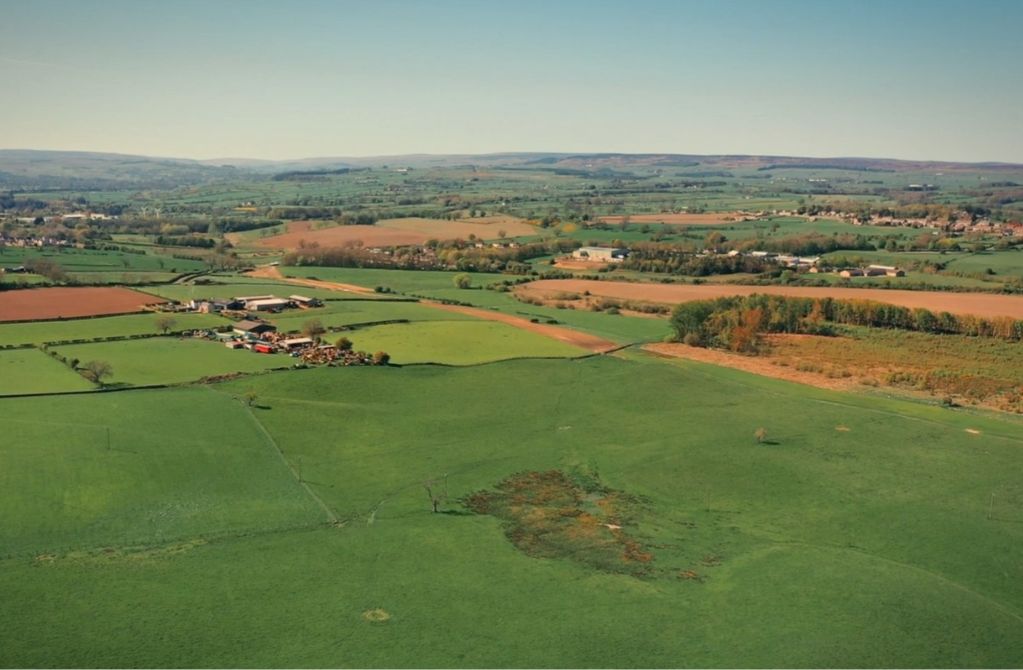
A former sheep pasture in Westwick is to be transformed into a protected wildlife habitat.
The conversion of the nearly 25-hectare field will provide environmental mitigation for new homes built in the Tees catchment area.
The Westwick Habitat Bank will create protected habitats for lapwings and oystercatchers, with investment from development funding long-term nature recovery.
Seven kilometres from the North Pennine Moors Special Protection Area, the land was previously intensively sheep-grazed with little plant diversity.
Environmental solutions specialist Greenshank Environmental will deliver the restoration before ultimately gifting the land to a conservation charity.
The scheme comes as County Durham faces growing pressure to build more homes, with assessed housing need more than 50 per cent above the annual requirement in the adopted County Durham Plan – more than 2,000 houses per year.
To move forward, however, developers in the Tees catchment must meet environmental requirements, addressing the nitrogen pollution wastewater from new homes to protected habitats at Teesmouth and Cleveland Coast, and delivering at least a ten per cent improvement in biodiversity through Biodiversity Net Gain (BNG).
At Westwick, Greenshank Environmental will create and restore natural habitats and change how the land is managed, giving wildlife more space to recover.
Ending conventional grazing and fertiliser use is estimated to prevent around 290kg of nitrogen reaching Teesmouth’s protected habitats each year.
These improvements will provide nutrient mitigation credits and BNG units which developers can buy, meeting their requirements by investing in the site’s restoration.
The plans include about seven hectares of lowland meadow, nine hectares of neutral grassland, four hectares of mixed scrub and five hectares of floodplain wetland mosaic.
Lapwing and oystercatcher were recorded foraging on the site, and new wetland areas are designed to provide habitat for these and other ground-nesting birds.
The site reflects wider regional priorities for nature recovery.
Tees Valley Combined Authority’s draft nature recovery strategy identifies reducing nutrient run-off and restoring wetlands as opportunities for improving the environment.
It also recognises the River Tees as a link with County Durham’s strategy, creating opportunities to work across council boundaries on shared conservation priorities.
Dr Gabriel Connor-Streich, chief executive and principal environmental scientist at Greenshank Environmental, said: “The Tees connects this landscape near Barnard Castle with protected wildlife habitats at Teesmouth.
“Changing how land is managed upstream can help reduce the pollution reaching those habitats, while creating more space for wildlife here.
“Westwick gives developers a way to meet their environmental requirements while investing in the restoration of nearly 25 hectares of land.
“That is a practical connection between the homes the area needs and the recovery of its natural environment.
“As landowners, we are also thinking about who will look after Westwick in the future.
“Our long-term aim is to gift the site to a conservation charity with an endowment to fund its management, so that the investment made today leaves a lasting conservation legacy.”