October 16, 2026

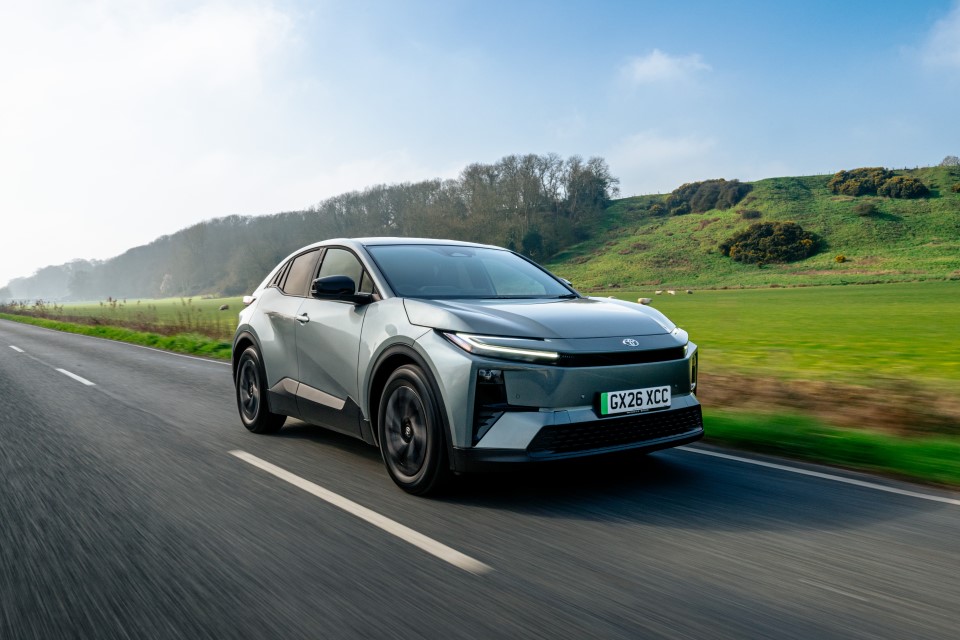
Mean and moody Toyota C-HR+ offers seamless electric power
Same name, different car – Ian Lamming discovers what the plus actually adds
Toyota has been a little reticent in the race to the electric vehicle market, which seems paradoxical given how far ahead it is with hybrids.
There’s the BZ4X, of course, the catchy name still tripping off the tongue. But the latest is the C-HR+, a full-on EV version of the brilliant hybrid – and I should know, I’ve owned three of those.
At a glance you think it’s the same car but with the internal combustion engine replaced by a lecky motor.
But closer inspection reveals that it’s a completely different vehicle, so much so it could have carried its own name instead of borrowing one from the hybrid stable.
No matter. It is equally good but a lot different. To start with, it is larger than its hybrid sibling, longer, wider and generally bulkier.
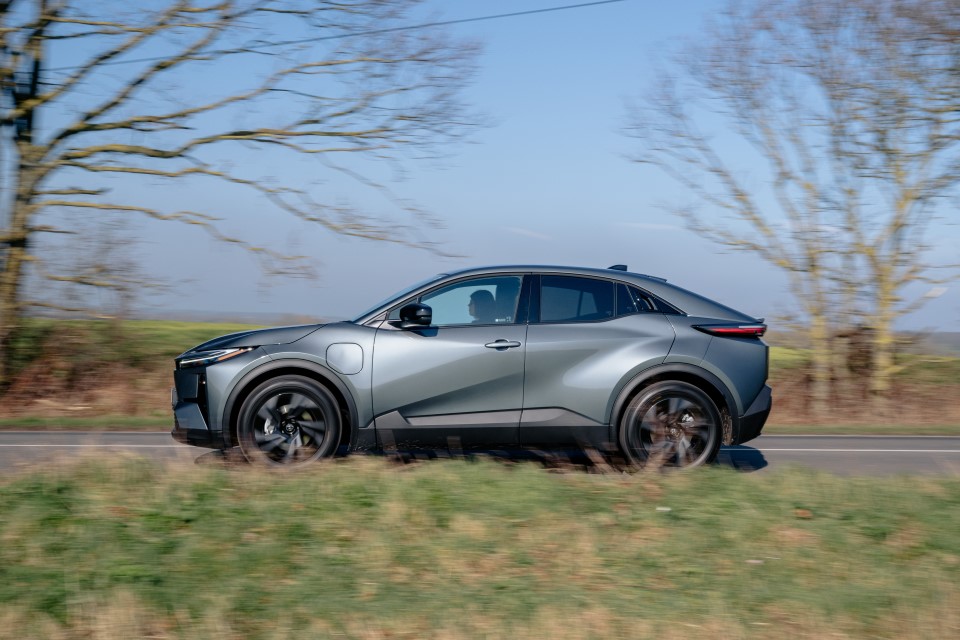
It looks related but is definitely sizably different making it feel completely distinctive from the normal C-HR.
Still looks good though, especially in black, with large black alloys – very mean and moody, eye-catching and appealing.
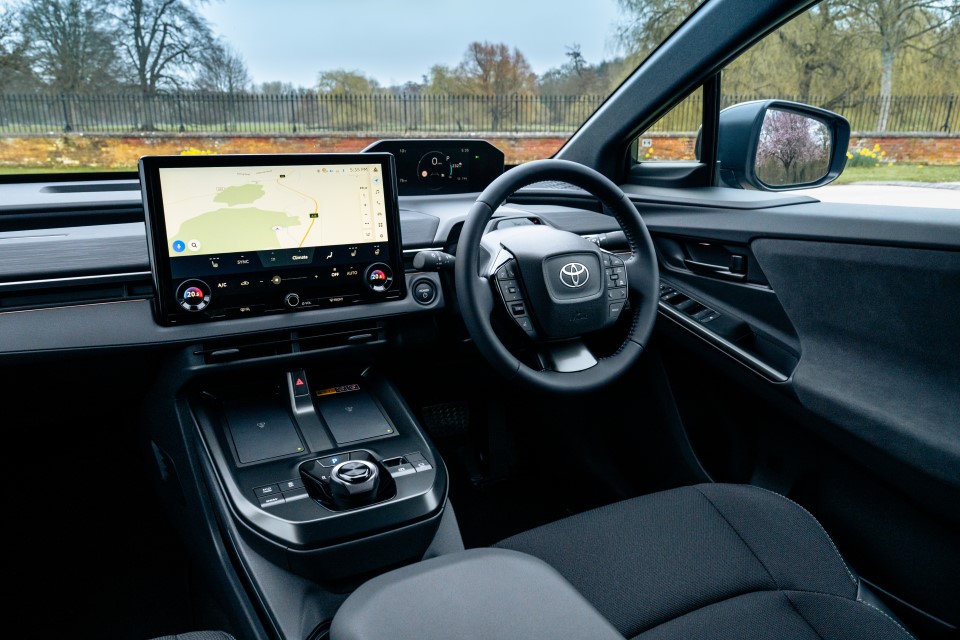
Inside is different too, much more like the other Toyota EV, the BZ4X, which is fine as that’s got a delightful interior.
It is unusual, the way the steering comes out of the dash to meet you Captain Scarlet-like, and you have to look over the top, rather than through it, to see the distant clocks. The rest of the dash is touchscreen, more so than the hybrid, but it’s easy enough to use.
There’s a lower storage shelf under what you might describe as the transmission tunnel and the gear lever is a round knob which sits behind a couple of very useful phone charger pads. So inside and out get a couple of big ticks from me.
The third big tick comes after driving the Plus. The car feels solid and sure-footed on the road. It is also beautifully refined with great holding and impeccable ride. It boasts excellent poise and balance, has wonderfully positive steering with plenty of feel, and powerful brakes.
Performance is electric, metaphorically as well as literally. The 77kWh motor offers seamless reserves of power with 221bhp available from the off. It is just plain fast and brilliant for overtakes as the mid-range is so torquey.
Employ the ballet shoes and a deft foot – I do look good in a pair of pumps – and I manage to get 7.7 miles per kWh, which equates to 300 miles per gallon.
The official maximum range is up to 376 miles on a full charge, which is decent, and I manage 320 miles, which is fine.
It also charges rapidly at the pumps. Bit of shopping and a swift toilet break sees the battery back to 75 per cent.
With any possible ownership, you’ll need to factor in the installation of a home charger to make it work, as with any EV.
Charge at home and the overnight tariff could be as low as 6p/kWh. Head for the garage or supermarket and the worst I have come across is 91p/kWh, by which point you might as well pay for biofuel.
So how does the Plus stack up against the ICE C-HR? Well, it’s an impressive EV. It looks great, has a fab interior and is great to drive, so that’s good, but so is the hybrid.
Neither is there much difference in cost once you factor in the £1,500 Government sweetener, a sub from Toyota and the reasonable starting price with 0 per cent finance.
In the end it will come down to lifestyle. Is the range enough for your everyday sorties and can you have a home charger to make it a very cheap form of enjoyable motoring. The decision will be obvious in the end.
Factfile
| Motor: 77kWh electric |
| Power: 221bhp |
| 0-62mph: 7.3secs |
| Top speed: 99mph |
| Range: 373 miles |
| Transmission: one speed auto |
| CO2 g/km: 0 |
| Price: £35,495 |