Areas in Teesdale that suffer from bad mobile signals may soon get better coverage using low earth satellite technology.
An example of people struggling to get coverage is Bridgegate, in Barnard Castle, where a resident has complained to the dale’s MP Sam Rushworth.
Of particular concern to the resident was the very weak Vodafone and Three signals.
The MP received responses from Durham County Council and Vodafone, which recently merged with Three.
In its response the county council said it was hoped 4G coverage could be extended to up to 95 per cent of the country by 2027 using a Shared Rural Network (SRN) – a programme between mobile network operators and the government.
However, the council said: “This work involves the installation of masts to very rural areas, and central Barnard Castle would be unlikely to benefit from work under the SRN.
“Given Bridgegate is located in a dip at the bottom of Barnard Castle, mobile signal quality is likely to be impacted by the geography and topology of the area.
“Radio waves rely largely on clear lines of sight and relatively unobstructed paths between masts and devices, and communities in low lying or sheltered locations often experience poorer mobile performance and greater variability in service than those at higher elevations or with clearer sightlines to infrastructure.”
The officer said the county council had established an internal working group to explore legal agreements which would allow third-parties to use the council’s streetlights to install “small cells” to extend coverage.
The officer added: “Such an agreement could help reduce installation costs for third party providers, making it more appealing to install small cells, helping to address mobile coverage gaps, reduce network congestion and improve the quality and reliability of mobile services in communities that are currently poorly served.”
The most promising response the MP received was from Vodafone itself.
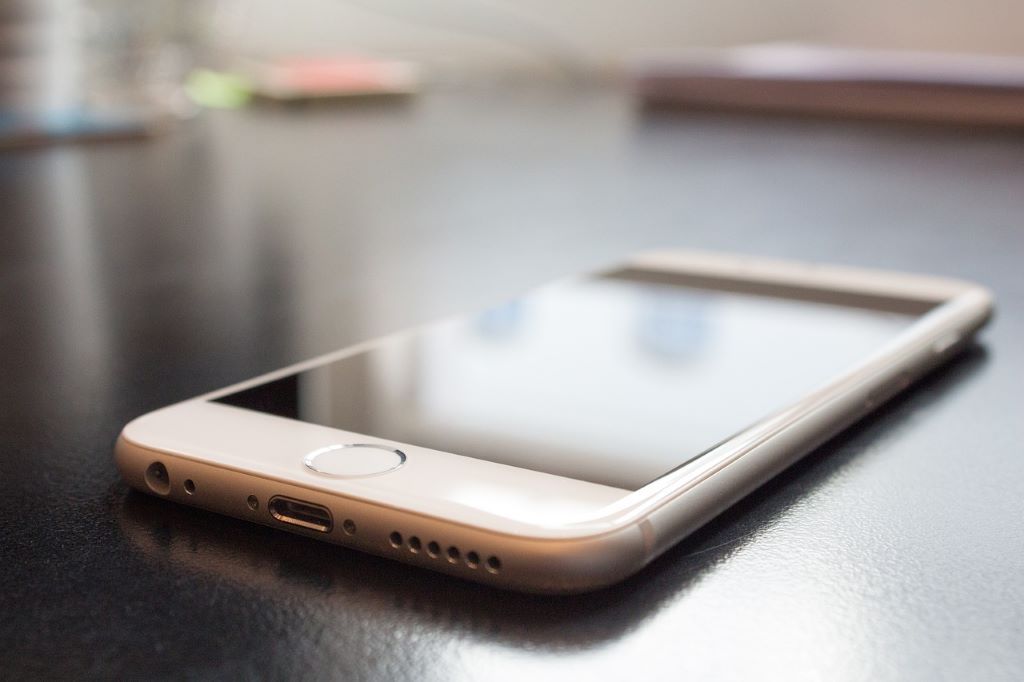
A representative said: “To address any remaining total not-spots, Vodafone is planning to launch a direct to smartphone satellite service, developed in partnership with AST SpaceMobile.
“This will allow standard mobile devices to connect directly to low earth orbit satellites, without the need for specialist equipment, helping address coverage challenges in the most rural and hard to reach areas.”