November 20, 2026

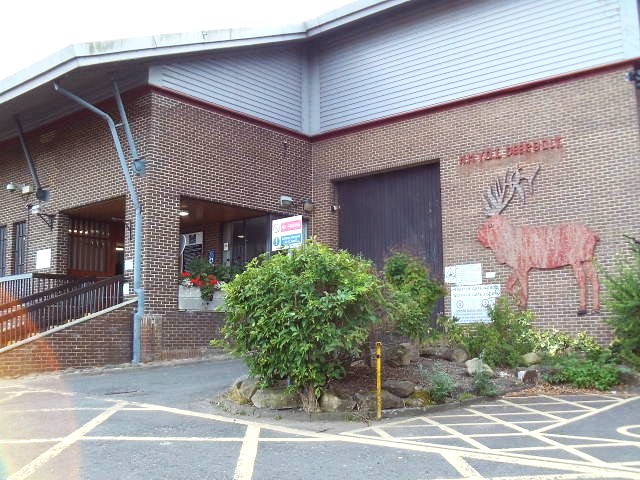
Deerbolt prison still blighted by violence and drugs despite improvements
Deerbolt prison continues to be plagued by violence, drug use and inmates self-harming, according to the findings of an unannounced inspection.
However, a report by the Chief Inspector of Prisons, Charlie Taylor, found that progress has been made since the previous inspection in 2024.
The prison independent monitoring board (IMB) is also very concerned, describing drugs as the main issue.
The report found that the Category C training prison had improved in several areas, including staff retention, healthcare, equality and support for prisoners preparing for release.
However, inspectors warned that safety remained a major concern, with violence rates among the highest of any Category C prison.
There had also been two drug-related deaths since the previous inspection, while 35 per cent of prisoners tested positive for illicit substances during the year to June 2026.
Self-harm levels also remained high, despite falling by 38 per cent since 2024.
Inspectors criticised the prison’s lack of a co-ordinated approach to tackling violence and drug availability.
The report said: “Safety remained a significant concern.
“Levels of violence were among the highest in category C prisons, self-harm rates continued to be high, and drugs remained far too readily available.”
Staffing problems were also affecting relationships between officers and prisoners.
Almost half of prison officers had less than a year’s experience, while only 53 per cent of prisoners surveyed said most staff treated them with respect.
One prisoner told inspectors: “You don’t get anywhere until you kick off when you’ve had enough.”
Inspectors also found that Deerbolt was failing to fulfil its role as a training prison.
Frequent cancellations disrupted education and work activities, while only 36 per cent of prisoners were engaged in purposeful activity during inspectors’ checks.
The report concluded: “Ultimately, Deerbolt was failing to fulfil its core purpose as a training prison.”
Despite these shortcomings, several initiatives received praise.
These included improved support for care-experienced prisoners, a scheme helping fathers maintain relationships with their children through reading, and stronger partnerships to prevent homelessness after release.
The prison’s three incentivised substance-free living units were also recognised for encouraging positive behaviour and supporting recovery.
Inspectors judged respect and preparation for release to be reasonably good, but safety and purposeful activity were both rated as not sufficiently good.
The chief inspector of prisons acknowledged the progress made but stressed the need for further action, with the report identifying 15 areas requiring improvement, including six priority concerns.
Chairman of the IMB Charlie Ing agreed that leadership of the prison had made improvements, but drugs remain a problem.
He said: “As an IMB we weren’t allowed to raise concerns about the prison’s vulnerability to drones because of gang activity, but that is wrong because it is a problem.”
He added that staff’s lack of experience was impacting on the prison regime, meaning inmates spent long periods locked in their cells, leading to frustration and violence.
Deerbolt, which held 481 prisoners at the time of inspection, is due to expand its capacity to 550 following the opening of a new 60-bed unit.
Tags |